Meeting with Chaves´ Councillor for the Environment
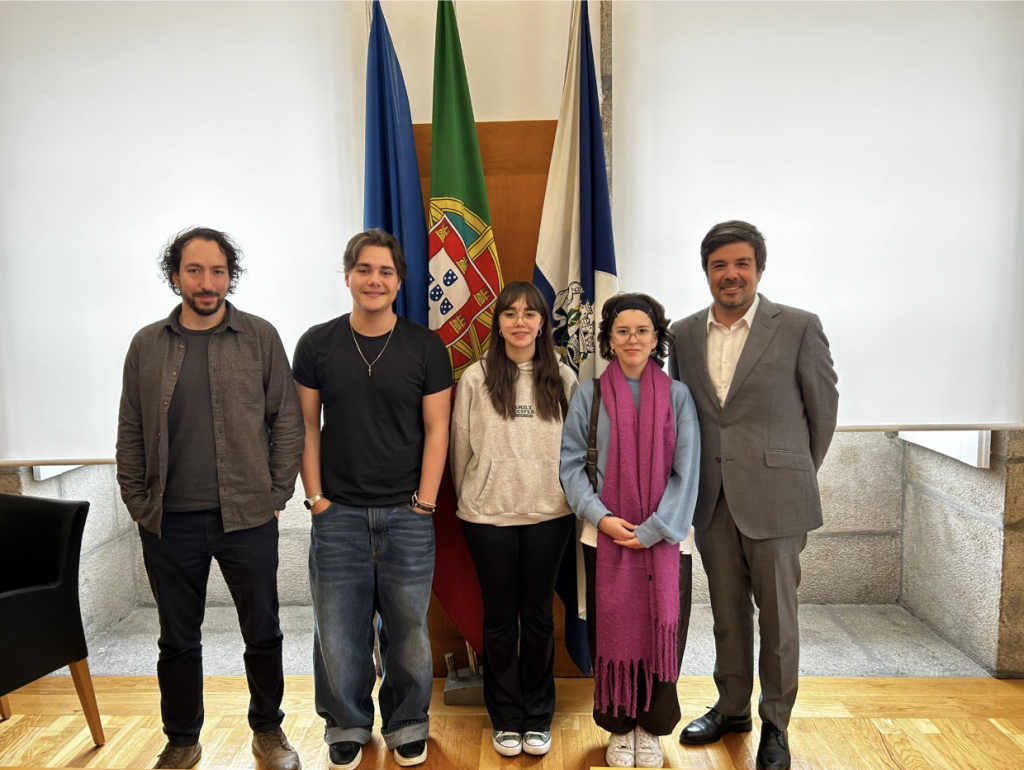
As part of the ECHOES project, a policymaker meeting was organized to foster dialogue between young people and local decision-makers on environmental issues. Three youth leaders, who had actively participated in the project’s local activities, were selected by their peers to represent the wider group. Their role was to bring forward the perspectives, concerns, and ideas of young people in relation to environmental challenges discussed during the local workshops.
The meeting took place with the Councillor for the Environment, Mr. Nuno Coelho Chaves (Vereador do Ambiente) of the municipality. During the discussion, several key topics were addressed. The youth leaders highlighted pressing local environmental issues, particularly those affecting nearby forest areas, including pollution and its impact on ecosystems and community well-being. Forest fires and floods were also discussed, as the region has experienced several severe events in recent years. These local concerns were framed within the broader context of global climate challenges, connecting global environmental trends with their tangible local consequences.
An important part of the conversation focused on generational perspectives. The young participants shared how their generation perceives the climate crisis, expressing both a strong sense of responsibility and increasing climate anxiety. They emphasized the urgency of action and the need for institutions to better acknowledge and support young people’s concerns and initiatives. They also highlighted the importance of having their perspectives taken into account, as this would help reduce feelings of helplessness and powerlessness. Furthermore, greater inclusion in decision-making processes could strengthen young people’s trust in institutions, making them feel heard and that their concerns are taken seriously.
The dialogue also explored the role of youth participation in environmental decision-making. The representatives stressed the importance of being included not only as beneficiaries of policies but as active contributors to their design and implementation.
As an outcome of the meeting, the youth leaders presented several concrete proposals. Among them was the idea of organizing an environmental exhibition aimed at raising awareness about a significant local pollution issue affecting forest areas. This exhibition would combine scientific information, community perspectives, and creative elements to engage the broader public. Additionally, the participants expressed interest in establishing ongoing collaboration with the municipality, including future joint initiatives, educational activities, and continued spaces for dialogue between youth and policymakers.
Overall, the meeting represented a meaningful step in strengthening youth engagement in environmental governance. It demonstrated the value of creating structured opportunities for young people to voice their perspectives, contribute ideas, and actively participate in shaping more sustainable and inclusive local policies