ECHOES local training activities in Zaragoza: young people imagining climate solutions
As part of the ECHOES project, VALS – Viaje a la Sostenibilidad carried out a series of local training activities in Zaragoza focused on climate change, sustainability, advocacy and youth participation. The aim of these activities was to create practical and participatory spaces where young people could reflect on the environmental challenges around them and explore possible responses from a local perspective.
The workshops were based on the CADPRO ECHOES Training Programme, the project’s Climate Awareness and Advocacy Toolkit. This programme provides a flexible and modular learning pathway designed to help young people understand climate change, develop advocacy skills, think critically and take action through civic engagement. Its non-formal education approach includes group work, role play, simulations, storytelling, visual mapping and peer discussion, which made it a strong basis for adapting the activities to each group in Zaragoza.
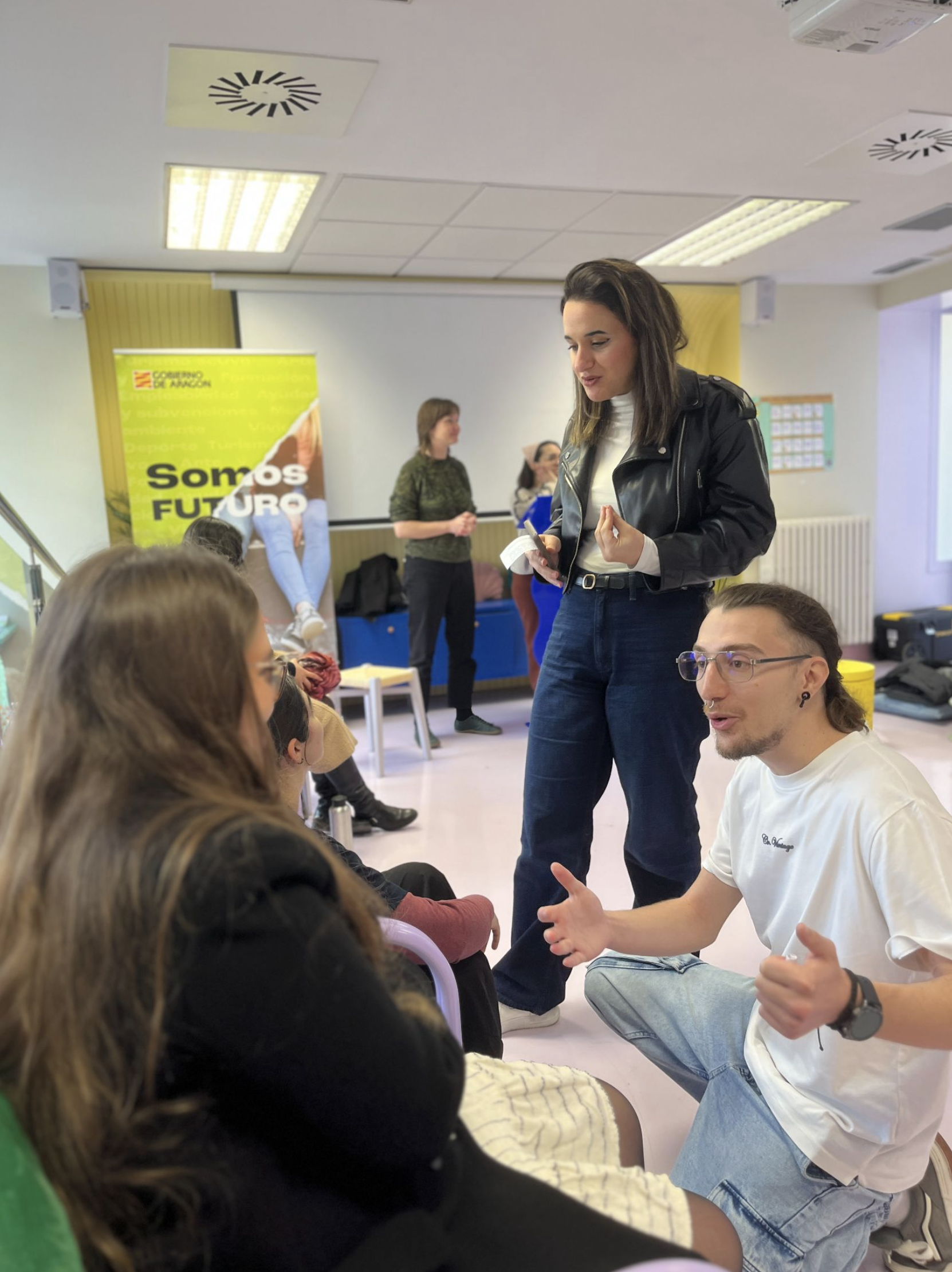
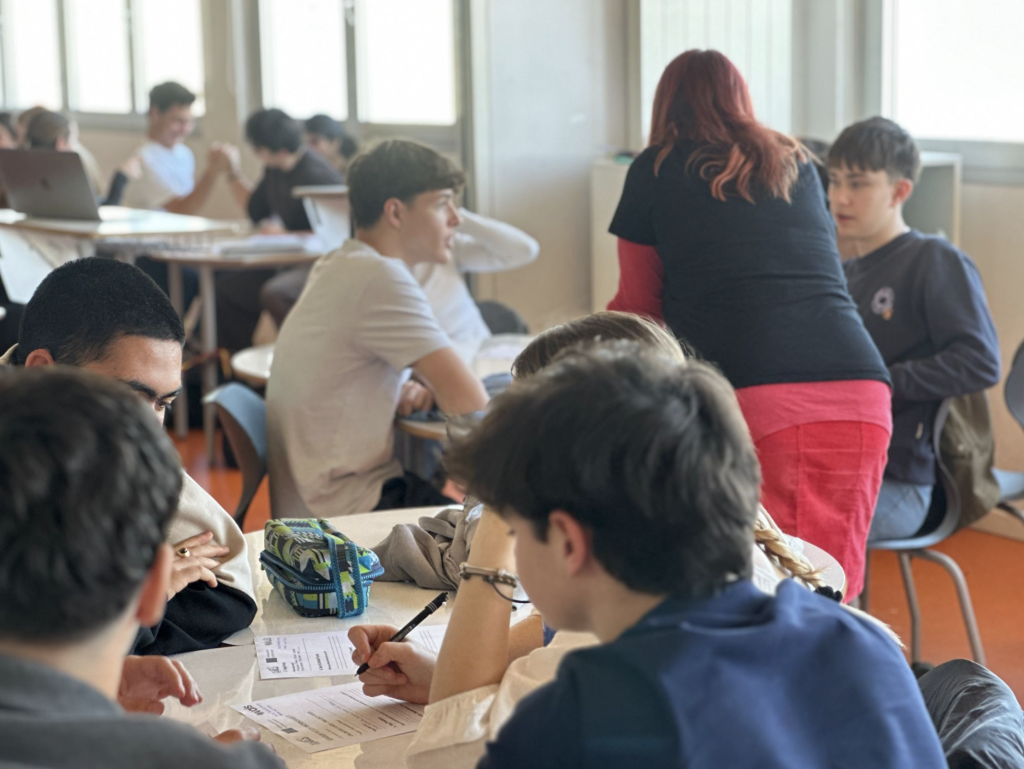
For the first part of the local training, VALS collaborated with the British School of Aragon, where two sessions were organised with students. During these workshops, we used the CADPRO programme as the basis, adapting the proposed activities to the age, interests and local context of the group.
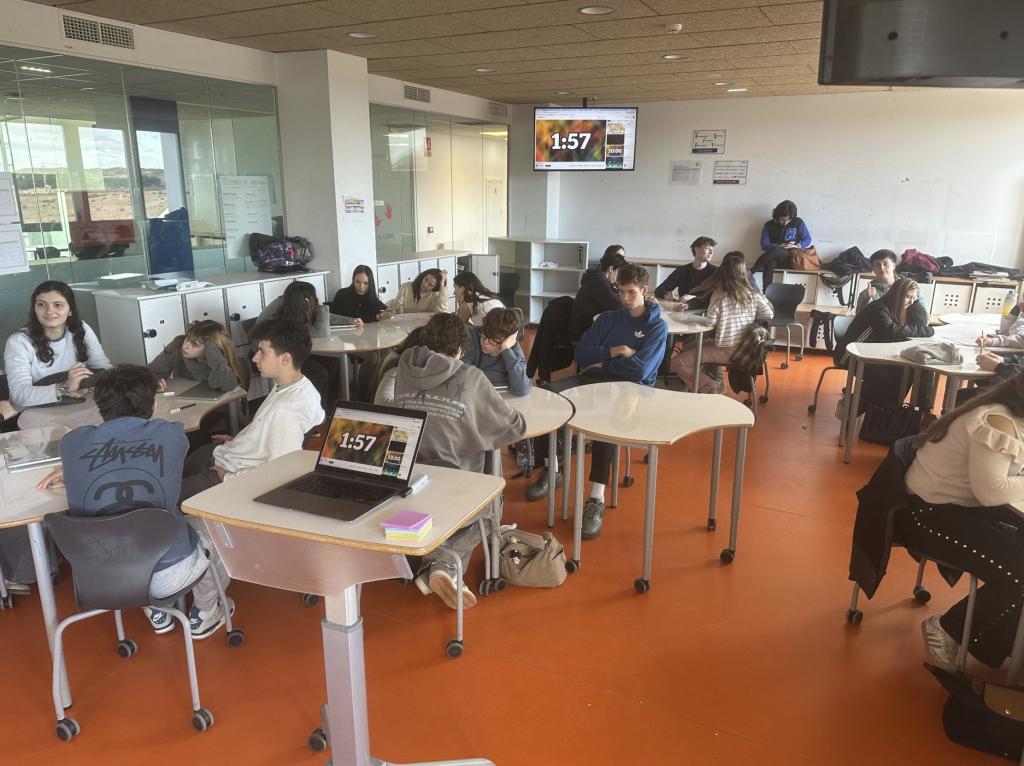
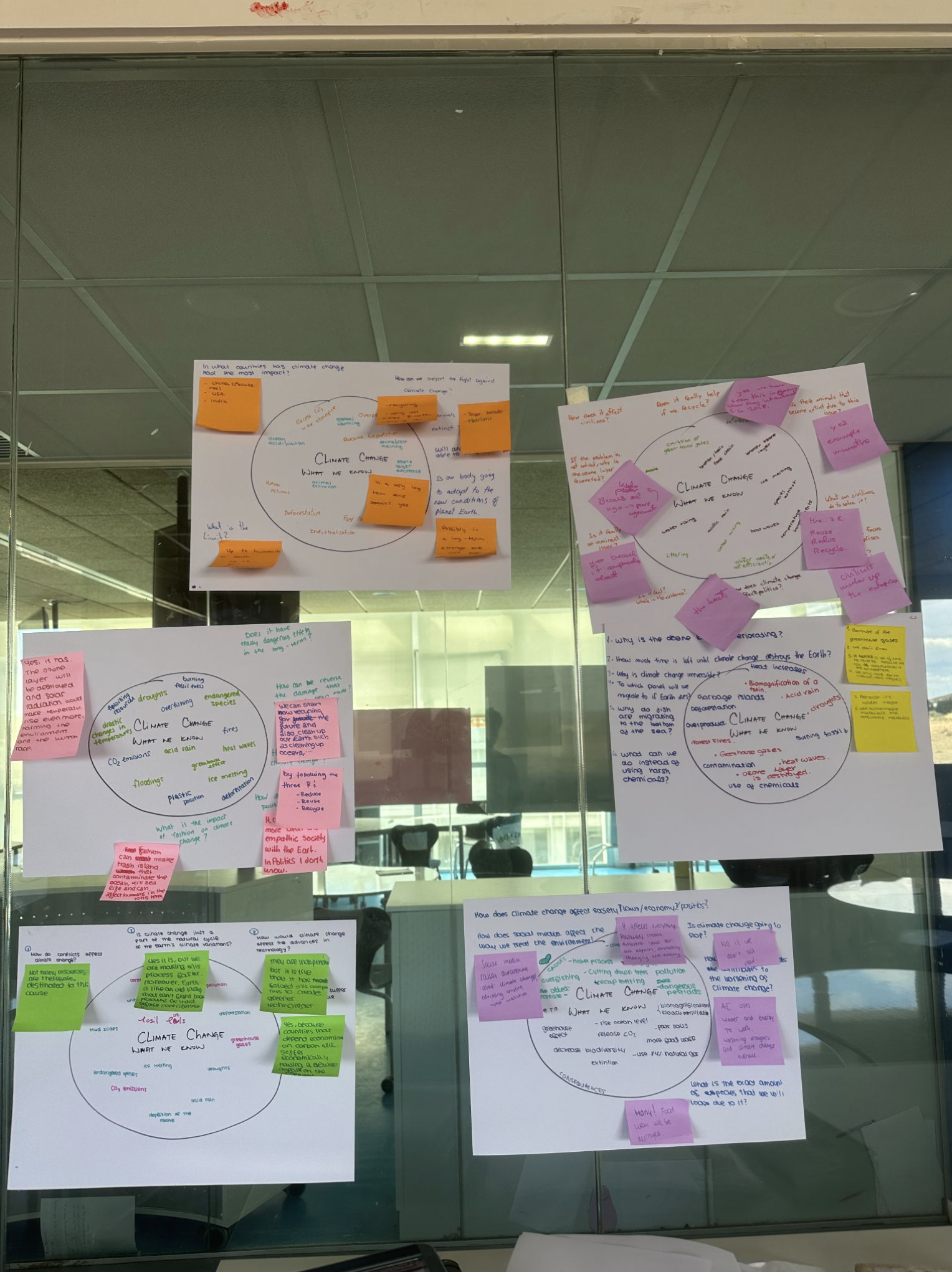
The central activity of these sessions students identified climate-related problems they face or observe in Zaragoza and imagined possible solutions. Working in small groups, they discussed issues such as pollution, waste management, water-related challenges, reforestation, protection of wildlife, sustainable fashion and other climate-related concerns. The activity was adapted to help participants move beyond general ideas and develop more concrete, realistic and locally connected proposals, showing their ability to link global climate challenges with everyday realities in Zaragoza including green entrepreneurship.
This process allowed participants to think freely and creatively, while also encouraging them to reflect on how climate action can be connected to local decision-making, community participation and everyday habits. Through teamwork, debate and presentation, students practised expressing their ideas, listening to others and building shared responses to complex environmental challenges.
One of the workshops was organized with a group of international university students through the role-playing activity, also included in the CADPRO training pathway. This activity placed participants in a fictional community facing environmental and social challenges, where different roles, interests and perspectives had to be represented.
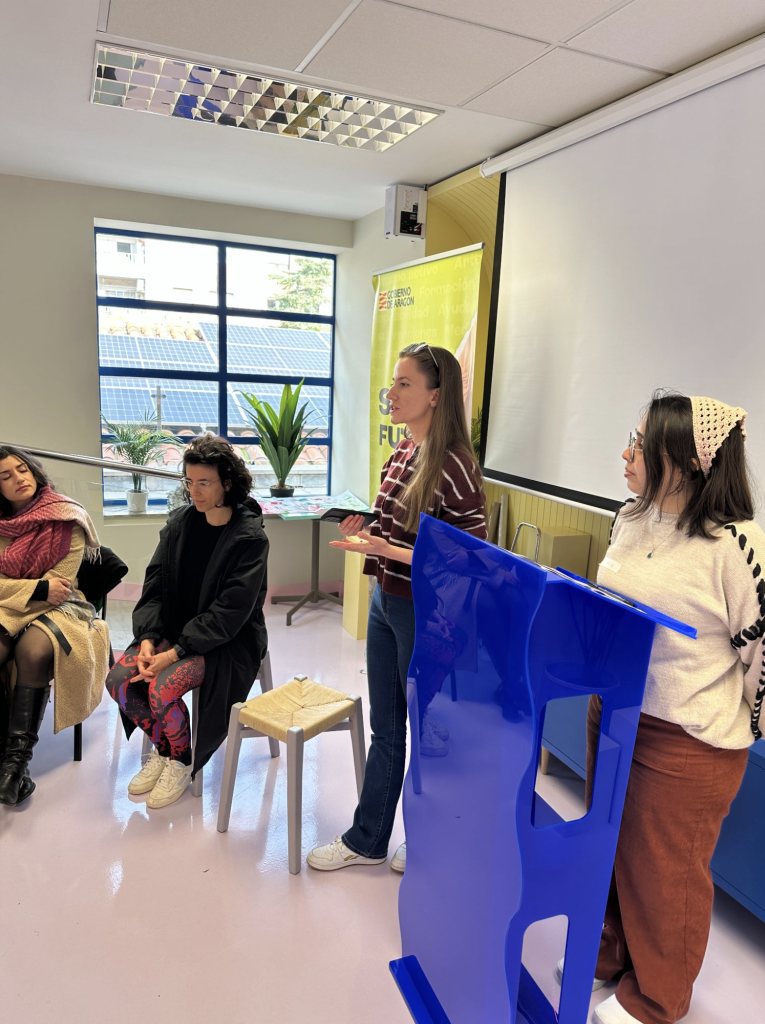
Through the role play, students explored how climate-related decisions often involve negotiation, disagreement and cooperation. Each group had to consider different needs within the community and reflect on how decisions can affect people, resources and the environment in different ways. The activity also helped participants understand that climate action is not only about identifying problems, but also about dialogue, compromise and shared responsibility.
Across all the sessions, the local training activities showed the value of using participatory and non-formal methodologies to work on climate change with young people. Instead of simply receiving information, participants were invited to discuss, imagine, negotiate, create and present their own ideas. This made the learning process more active, meaningful and connected to real-life concerns.